



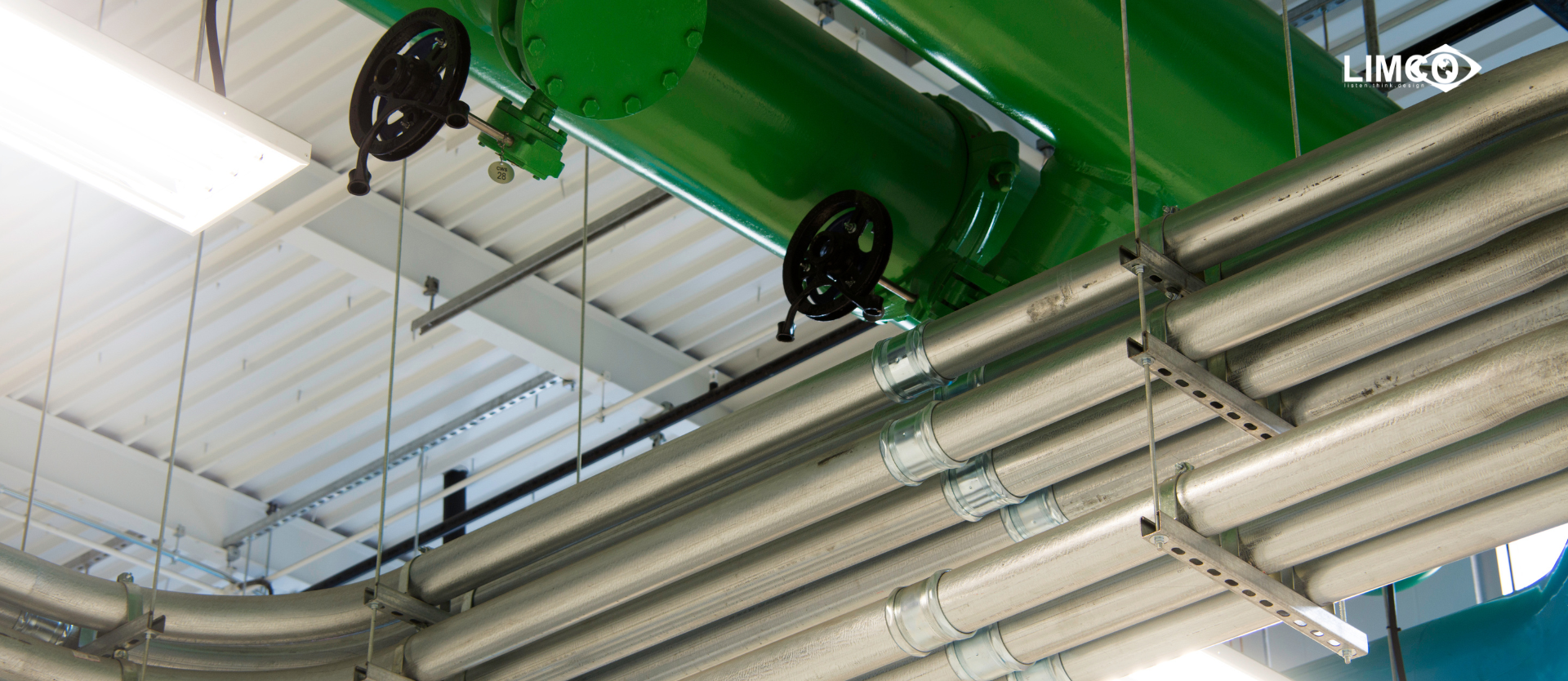

Five Signs Your Commercial Building Needs an Electrical Engineering Assessment
Electrical systems are often overlooked until something goes wrong. However, waiting until equipment fails or power disruptions occur can result in expensive repairs, operational downtime, and safety risks.
An electrical engineering assessment helps identify issues before they become major problems.
1. Frequent Power Interruptions
If your facility experiences recurring power outages, breaker trips, or voltage fluctuations, your electrical infrastructure may no longer meet your operational demands.
2. Equipment Is Constantly Failing
Unexpected failures of HVAC systems, production equipment, lighting, or IT infrastructure may indicate underlying electrical issues rather than faulty equipment alone.
3. Your Building Has Expanded
Many facilities have grown significantly since they were first constructed. Additional offices, machinery, data systems, and equipment increase electrical demand and may require upgrades to the existing power distribution system.
4. Rising Energy Costs
Older electrical systems are often less efficient than modern designs. An engineering assessment can identify opportunities to improve energy performance, reduce waste, and lower operating costs.
5. You’re Preparing for Renovation or Expansion
Before beginning any renovation, expansion, or change of occupancy, it’s essential to evaluate whether the current electrical infrastructure can safely support the proposed improvements.
Why Professional Engineering Matters
Electrical engineering is about more than fixing problems—it’s about designing reliable systems that improve safety, maximize efficiency, and support future growth.
LIMCO Engineering provides comprehensive electrical engineering assessments, inspections, power system analysis, and design services tailored to commercial, industrial, institutional, and government facilities.
If you’re unsure whether your facility’s electrical system is operating at its full potential, contact LIMCO Engineering for a professional assessment and expert recommendations.