



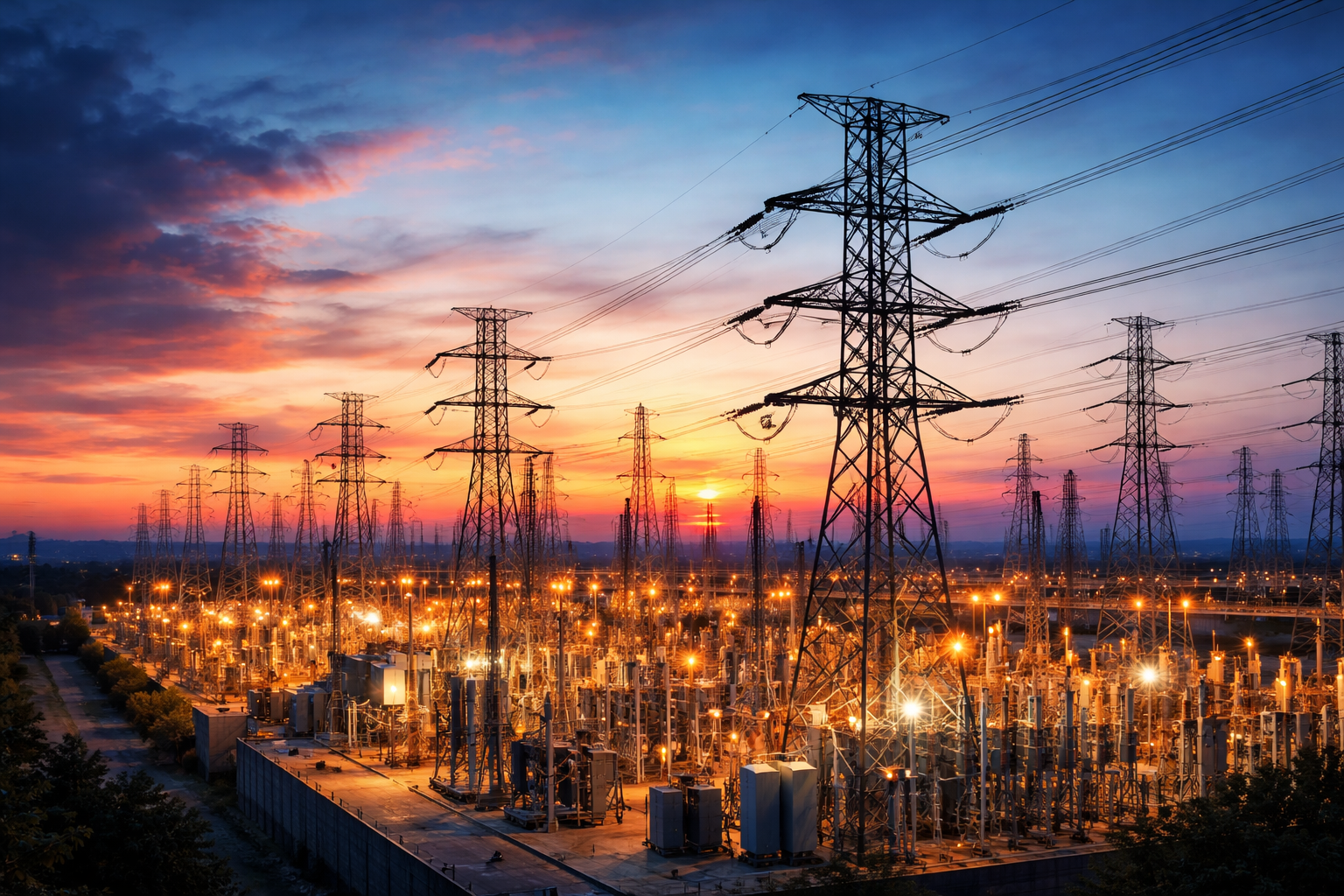

Understanding Power System Studies
Why They Matter for Utilities and Commercial/Plant Facilities
Power system studies are essential to the modern electrical grid and to any facility that relies on continuous, safe, and reliable electricity. These in-depth analyses of safety and system performance ensure readers understand the critical outcomes these analyses aim to achieve, keeping their attention on the benefits.
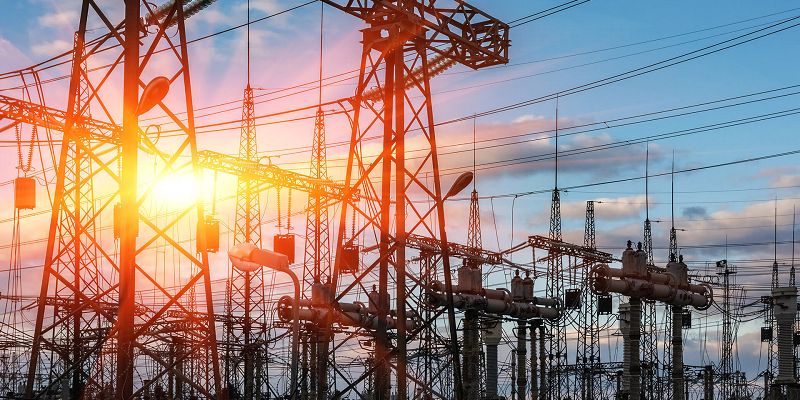
What is a Power System Study?
At its core, a power system study uses specialised software and engineering principles to model an electrical network—from a utility’s transmission lines to the low-voltage distribution within a commercial building. By simulating various scenarios, engineers can uncover potential weaknesses, sizing issues, and safety hazards that would be impossible to detect through visual inspection or basic design calculations alone.
Key Types of Power System Studies
While the specific needs vary, most studies cover these critical areas:
● Short Circuit/Fault Analysis: Determines the maximum fault current the system can produce. This analysis is crucial for accurately rating protective devices (circuit breakers, fuses, and protective relays) to ensure they can interrupt electrical current safely.
● Coordination Study: Ensures protective devices trip in the correct sequence (selectivity). This study minimises the outage duration by isolating only the faulted section while keeping the rest of the system online.
● Arc Flash Analysis: Calculates the potential thermal energy (incident energy) produced during an electrical arc fault and determines the necessary Personal
Protective Equipment (PPE) for workers. This study is fundamental to compliance with safety standards.
● Load Flow Study: Analyses power flow, voltage profiles, and system losses under normal and emergency conditions to identify voltage drop issues, overloads, and inefficient operations.
● Harmonic Analysis: Identifies and mitigates power quality issues caused by nonlinear loads, such as variable-frequency drives (VFDs) and light-emitting diode (LED) lighting, which can lead to equipment overheating and failure.
The Distinction: Utilities vs. Plant/Commercial Buildings
While the fundamental engineering principles remain the same, the scope, focus, and critical outcomes of power system studies differ significantly between large-scale utilities and facility-level systems (such as industrial plants or commercial buildings).
1. Utility Power System Studies (Grid Scale)
For utilities, the broad and significant scope of focus is the large, interconnected, and dynamic electrical grid, encompassing the entire system from generation through high-voltage transmission and distribution to the customer’s service entrance.
Focus Area Key Objectives Critical Studies
Scale & Scope Regional grid reliability, interconnected network operations, and bulk power transfer.
Outage Impact Wide-scale blackouts, system collapse, cascading failures.
Primary Goal Maintaining grid stability, managing generation-load balance, and integrating renewable energy (e.g., wind/solar). Stability analysis, transient analysis, and dynamic system modelling. Reliability assessment (NERC/FERC compliance), system contingency analysis. Interconnection requirements for the new generation, planning for future load growth.
2. Plant and Commercial Building Power System Studies (Facility Level)
For individual facilities, the focus is inward—ensuring the safety of personnel, protecting specific equipment, and maintaining continuous operation of critical loads.
Focus Area Key Objectives Critical Studies
Scale & Scope Protection and reliability of internal switchgear, feeders, motors, and facility equipment.
Outage Impact Loss of production, data centre downtime, fire hazard, and equipment damage.
Primary Goal Life safety compliance (OSHA, NFPA 70E), equipment protection, and uptime
(reliability).
Why These Studies Are Crucial
Arc flash, selective coordination, and short circuit analysis. Emergency power system performance (generator/UPS sizing and transition). Code compliance reports, load shedding scheme validation. Regardless of the scale, power system studies are not optional; they are a necessary investment that provides significant returns in safety and reliability.
The Safety Imperative
The most critical reason for performing these studies is safety, primarily driven by the Arc Flash Analysis. Properly maintaining and conducting these studies ensures that workers are protected and that the facility avoids catastrophic injuries and regulatory penalties, fostering a culture of safety and responsibility.
Reliability and Financial Impact
In a commercial building, an uncoordinated system means that a simple fault could trip the main breaker, shutting down the entire facility rather than just one circuit. For a utility, a lack of stability analysis could lead to widespread outages. These studies ensure that:
● Minimisation of Downtime through selective coordination, where protective devices quickly isolate electrical faults at their source.
● Equipment is protected: Short-circuit analysis ensures that switchgear and cables can withstand maximum fault currents.
● Expansion is safe: New loads, like EV chargers or large manufacturing equipment, are integrated without disrupting the existing system.
Whether managing a massive grid supplying or protecting a critical manufacturing line, power system studies are the technical backbone of electrical safety and operational efficiency. They transform an electrical diagram into a living, optimised system, ensuring that when a fault occurs, or the system is stressed, it reacts predictably, safely, and minimally. Consulting with certified engineers to perform and regularly update these studies, especially after any significant system modification, is the best path to long-term electrical system health.
SvetnaqxEr
August 11, 2025Thanks for the article
KreativbwOt
August 11, 2025Thanks for the article
Domingo
March 17, 2026Highly energetic article, I liked that a lot.
Will there be a part 2?